
Systems & assemblies
CDQ rotary seal valve
Rotary discharge equipment for coke dry quenching systems.
View productCDQ ROTARY SEAL VALVES
Rotary discharge equipment for coke dry quenching systems.
Discuss your requirementsTHE APPLICATION
Installed below the vibrating feeder, the rotary seal valve transfers cooled coke to the downstream discharge system. Rotor pockets receive and release the material while the sealing arrangement limits gas and dust escape.
The upstream vibrating feeder sets the feed rate. Rotor pockets then carry coke from the inlet to the lower outlet. The feeder and valve are coordinated through the discharge control system.
EQUIPMENT GALLERY
Select an image to open the full view. Use the arrows to browse the gallery.
 View image
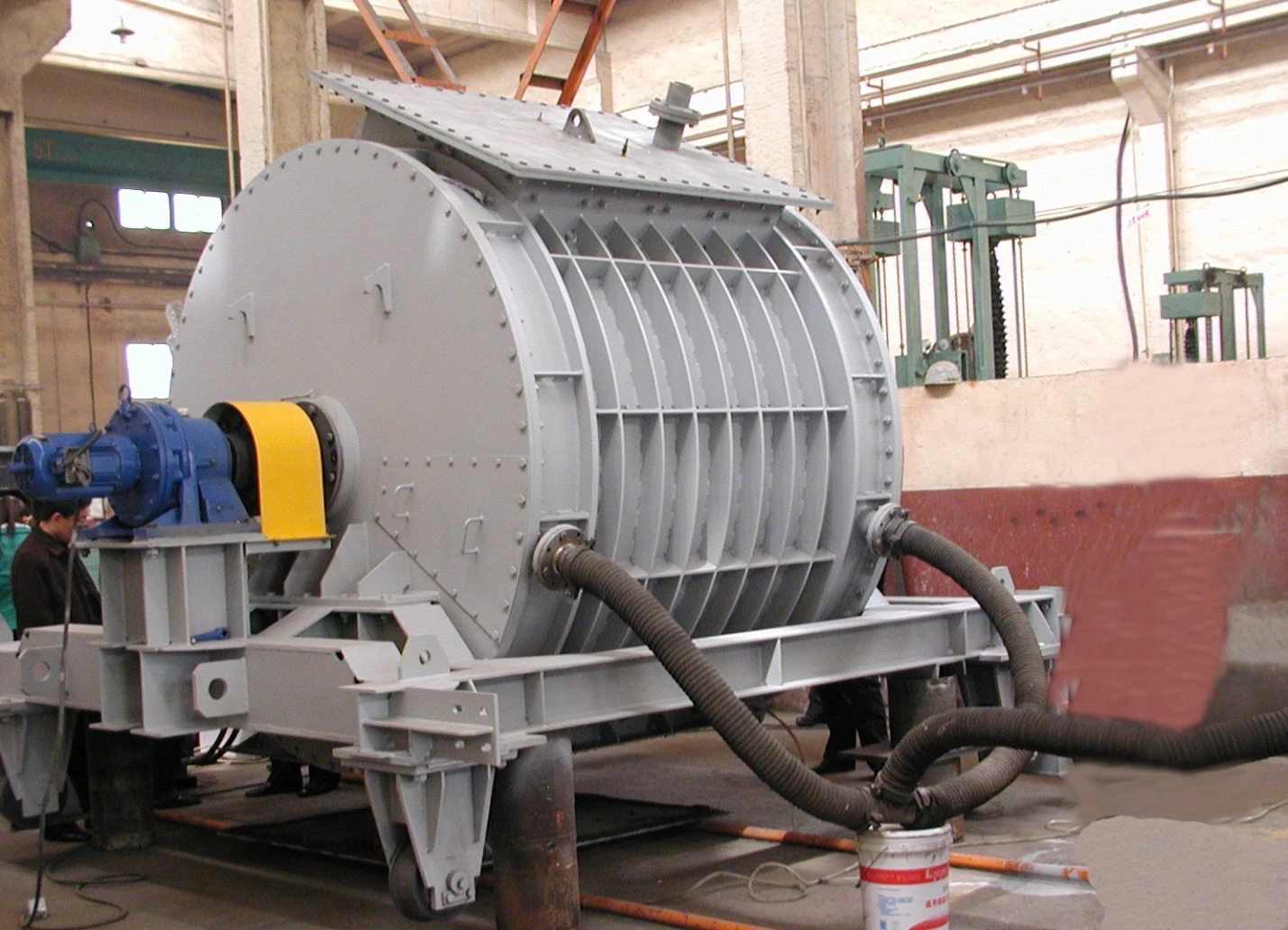
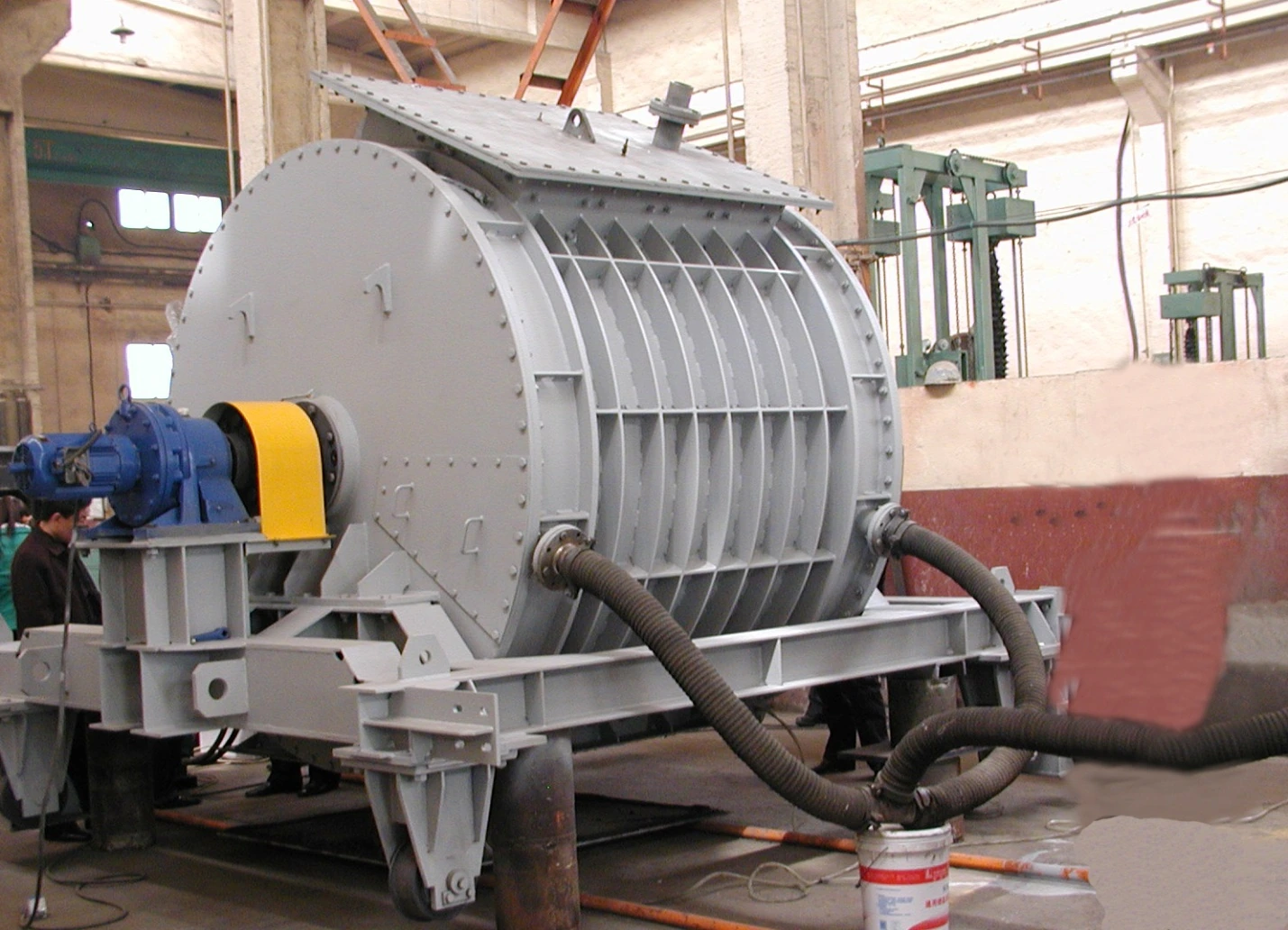
Rotary seal valve with end covers, reduction drive and an offline maintenance trolley.
 View image
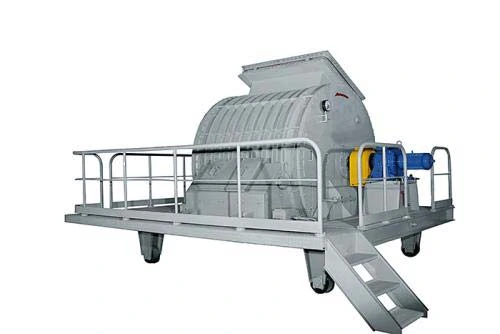
CAD assembly view showing an access platform, handrails and maintenance stairs.
 View image
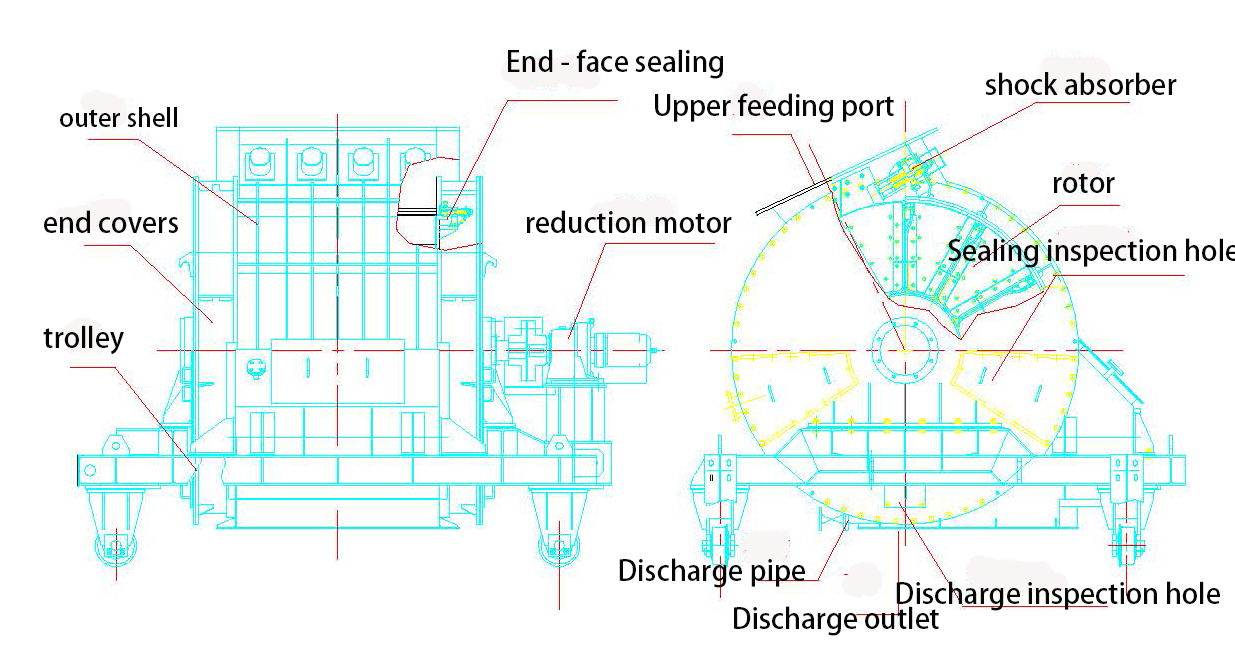
Structure drawing: rotor, end-face sealing, inspection openings, drive and trolley.
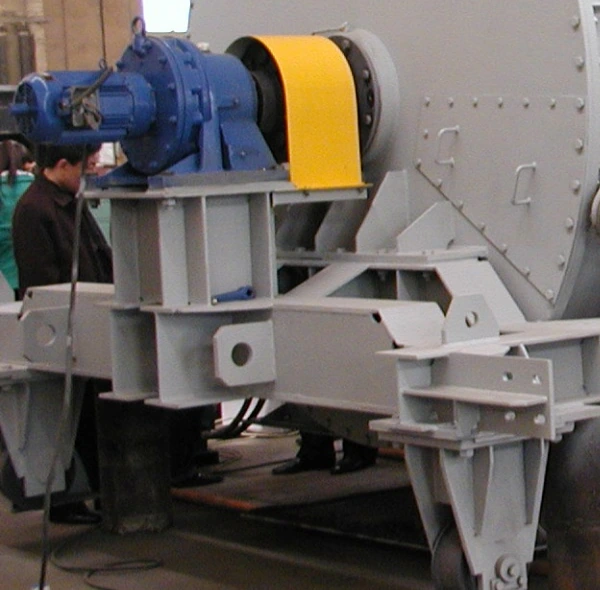 View image
Detail of the same assembly photograph: reduction drive, shaft end and adjacent seal area.
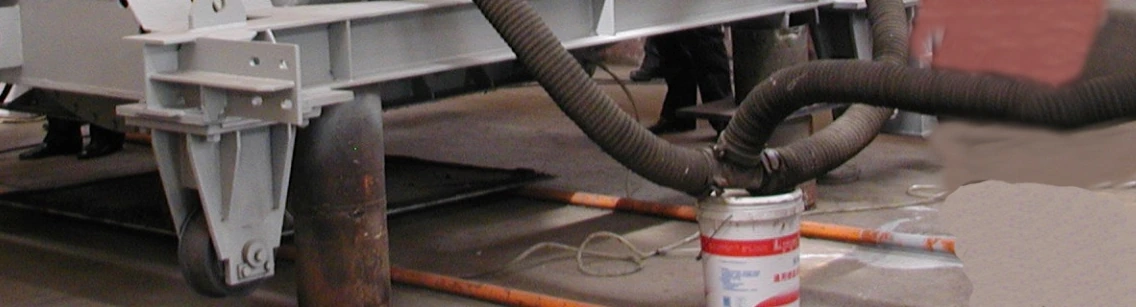 View image
Detail of the same assembly photograph: trolley, supporting frame and lower connections.
PRODUCT RANGE
Explore product details and send your operating requirements to our team.
Showing 1 products
Systems & assemblies
Rotary discharge equipment for coke dry quenching systems.
View productTry a different product name or reset the application filter.
TECHNOLOGY & SCOPE
Each package needs to fit the process, site conditions and operating requirements.
Rotor blades and internal contact areas use replaceable wear protection or wear-resistant layers as specified.
The inlet buffer arrangement, rotor clearance and drive protection are coordinated with the coke size and feed conditions.
The end-face seal arrangement and lubrication points are defined for the selected design. Auxiliary gas requirements are specified separately.
Seal inspection openings, cleanout access and a trolley arrangement support inspection and planned maintenance.
Overload protection and fault signals allow the valve to work with the wider CDQ discharge sequence.
DEFINE THE DUTY
Share the operating conditions and project interfaces so the equipment scope can be discussed clearly.
Send your requirementsLET’S TALK ABOUT YOUR PROJECT